What Happens During a Revision Total Knee Replacement?

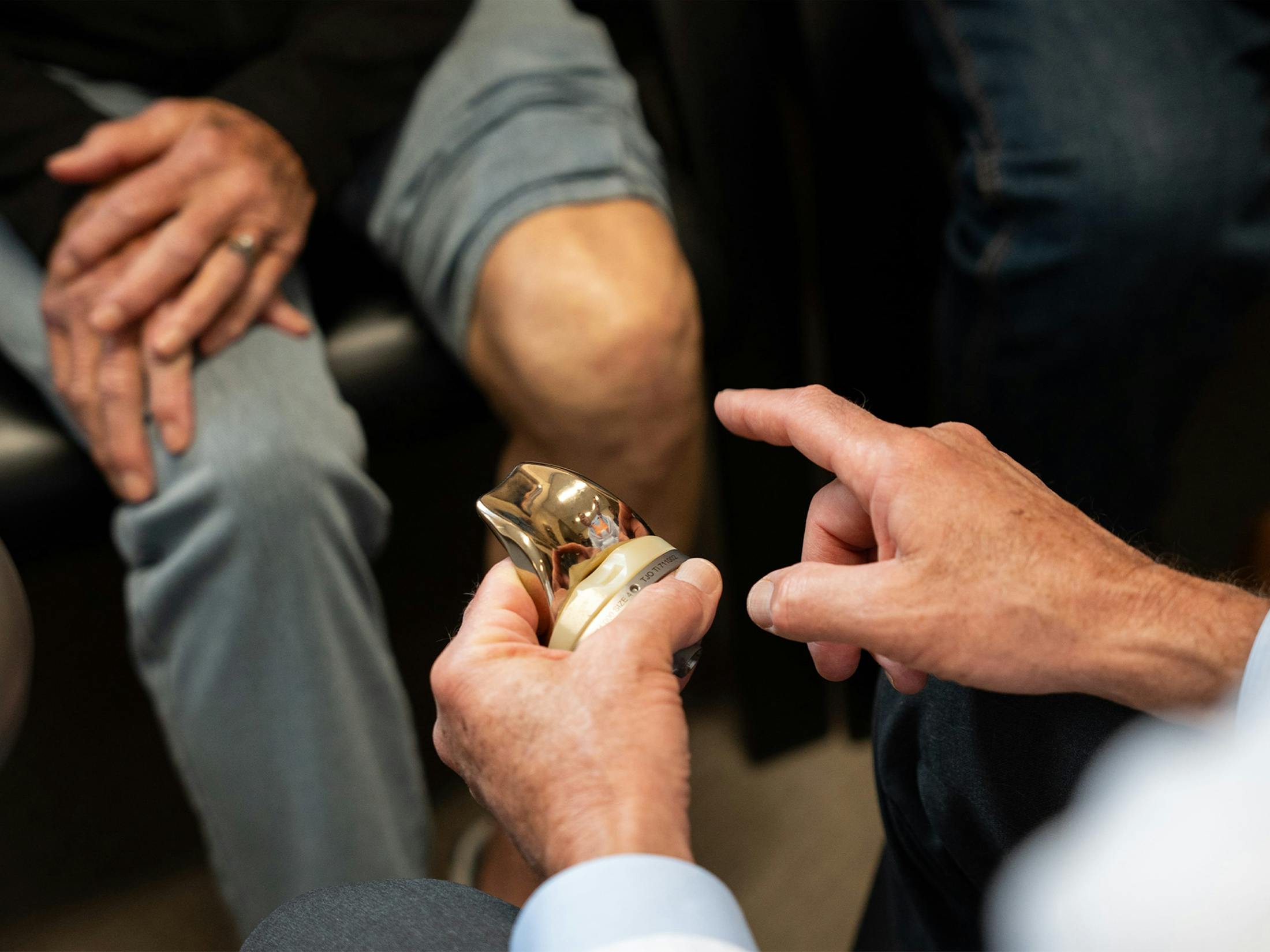
Although most total knee replacements are very successful, problems such as implant wear and loosening may require a revision procedure to replace the original parts. Only one implant or component may need revision, while at other times, all three components need to be removed or replaced. The bone around the knee must be rebuilt with bone grafts or augments.

If damage to the bone makes it challenging to use standard total knee implants for revision knee replacement, we’ll use specialized implants with longer, thicker stems that fit deeper into the bone for extra support.

When Would I Need a Revision Total Knee Replacement?

The most common reason for a revision total knee replacement is implant loosening and wear. An implant must remain firmly attached to the bone for a total knee replacement to function properly. During the initial surgery, the implant was firmly fixed. However, over time, the implant may loosen from the underlying bone, leading to knee pain. Some examples of what causes loosening include the following:

  • High-impact activities
  • Wear of the plastic spacer between the two metal components of the implant
  • Patients who are younger when they undergo the initial knee replacement may "outlive" the life expectancy of their artificial knee
  • Excessive body weight
  • Tiny particles that wear off the plastic spacer accumulate around the joint and are attacked by the body's immune system, which also attacks the healthy bone around the implant, leading to a condition called osteolysis

Revising Your Knee to Resolve Medical Conditions

Other common reasons for a revision total knee replacement include:

Infection

If an artificial joint becomes infected, it may become stiff and painful, leading to loosening of its attachment to the bone. Even if the implant remains properly fixed to the bone, pain, swelling, and drainage from the infection usually make revision surgery necessary. Revision for infection can be performed in one of two ways, depending on the type of bacteria, the duration of infection, the extent of infection, and patient preferences.

Instability

If the ligaments around your knee become damaged or improperly balanced, your knee may become unstable. You may experience recurrent swelling and feel your knee is "giving way."

Stiffness

A total knee replacement may not help you achieve the range of motion needed to perform everyday activities, such as when excessive scar tissue has built up around the knee joint. If extensive scar tissue or the position of the components in your knee limits your range of motion, revision surgery may be needed.

Fractures

A periprosthetic fracture is a broken bone around the components of a total knee replacement, often the result of a fall, and usually requires revision surgery. When a bone is shattered or weakened by osteoporosis, the damaged section may need to be completely replaced with a larger revision component.

Background media
A man with a surf board

Faster Recovery, Better Outcomes. If You Want a Full Return to Your Active Life, You Need NanoKnee™

Thanks to our revolutionary approach and experience with over 12,600 knee replacement surgeries, our patients routinely:

  • Are on their feet within 30 minutes of surgery
  • Return home just two hours after their knee replacement
  • Enjoy a fast, full, and pain-free return to sports and exercise

Don’t settle for poorly-fitted implants and a diminished range of motion. Our artificial joints are engineered to work as hard as you do. At NanoKnee™, we’ll help you stay as active as you want, without pain, for as long as possible.


Schedule A Consultation

(888) 492-0598 Contact Us
Contact us media

Instability, Stiffness, Discomfort How We Prevent Common Knee Replacement Problems

Our research and clinical experience, spanning countless joint procedures, show that the best results require balance and the appropriate tension in the soft tissues. When these structures are unbalanced, they can contribute to many problems that necessitate revision, including instability, stiffness, and aseptic loosening.

For these reasons, our team is especially focused on obtaining ultra-precise balance in the knee during surgery. We know that’s what gets our patients back on their feet faster and keeps them there long-term.

Banner media

Simplying a Complex Procedure With NanoKnee

Revision total knee replacement is more complex and involves moving the kneecap and tendons to the side to reveal your knee joint. If necessary, our surgical team will carefully remove the original implant to preserve as much bone as possible. Your surgeon will insert the specialized revision implant, repair any surrounding soft tissues that are damaged, and carefully assess joint motion. When significant bone loss around the knee occurs, metal augments and platform blocks can be added to the main components to compensate. A drain may be placed in your knee to collect any fluid or blood remaining after surgery.

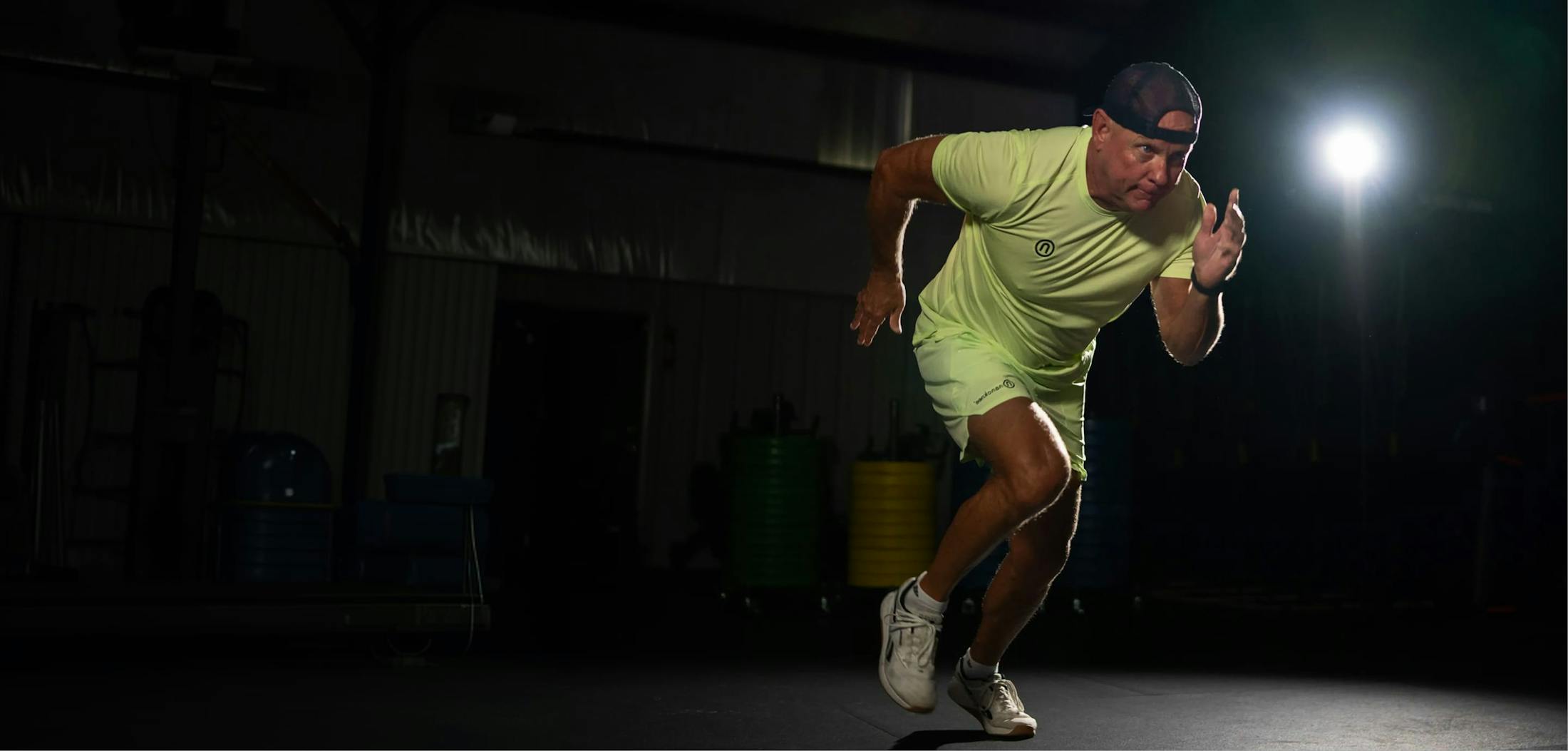
A man running

What Is Recovery From Revision Total Knee Replacement Like?

Most NanoKnee™ procedures are performed on an outpatient basis, with patients leaving the facility 90 to 120 minutes after the procedure. Recovery time after NanoKnee™ procedures varies, but most people are up and walking immediately after surgery and can perform light activities the first week. A rough guide is as follows:

  • 7-14 Days: routine daily activity
  • 2-4 Weeks: moderate activity
  • 4-8 Weeks: return to an active lifestyle

What sets NanoKnee™ apart is our advanced recovery program:

  • The NanoKnee™ procedure includes a cosmetic plastic surgical closure to minimize any scarring
  • Most NanoKnee™ patients can perform self-guided home therapy without the need for formal outpatient therapy
  • Incisions are generally healed in two weeks, although they are protected for the first 2 to 3 months after your procedure
  • Clients are allowed to begin exercising immediately after, starting with walking, isometrics, stretching, and progressing to strengthening, then later, running in more extreme activities

Find your Knee Surgeon Your comeback starts here

Schedule a Consultation
Contact us media
Accessibility: If you are vision-impaired or have some other impairment covered by the Americans with Disabilities Act or a similar law, and you wish to discuss potential accommodations related to using this website, please contact our Accessibility Manager at (888) 492-0598.
Contact Us