Central Coast Knees, Back in Motion Sooner

More than 12,600 knee replacements have informed the NanoKnee approach, and patients regularly:

  • Stand up within 30 minutes of finishing surgery
  • Are home roughly two hours after their procedure
  • Resume sports and exercise, including many higher-impact activities, after their surgeon gives the okay

The groundwork for your surgery happens beforehand: a 3D model built from your CT scan is used to choose your implant's size, position and alignment.

Discover the 3D planning process →

NanoKnee Recovery at a Glance

Figure What it measures
65 minutes How quickly the median NanoKnee patient took a first walk after surgery, based on 876 patients; half walked sooner than that.
96% Patients who were walking by the two-hour point after surgery, with 88% walking by 90 minutes.
125° The median knee bend measured before leaving the recovery unit, across 720 patients, with the middle half from 120° to 134°.
Same day NanoKnee knee replacements are done on an outpatient basis, so your recovery takes place at home.

In contrast, in a prospective study spanning 19 hospitals, only 5.6% of total knee replacement patients walked on surgery day, while 70% had walked by the following day's close.[15] These NanoKnee figures are medians and proportions from NanoKnee post-anesthesia recovery records, including only patients with data on each measure (walking: 876 patients; flexion: 720 patients). Individual results vary.

Schedule A Consultation

(805) 265-3871 Contact Us
Contact us media

Two Approaches to Knee Replacement, Compared

vs
Traditional Knee Replacement
Surgical planning check mark logo Biomedical engineers design a 3D plan from your CT scan, and your surgeon approves it X-ray templating, commonly finished mid-procedure
Alignment check mark logo Returns your knee to its pre-arthritic alignment (restricted inverse kinematic alignment) Aligns all knees to the same neutral mechanical target
Reaching the joint check mark logo A muscle-sparing option such as subvastus for appropriate patients A medial parapatellar approach through the quadriceps tendon
Anesthesia check mark logo Spinal anesthesia combined with sedation General anesthesia, which remains widely used nationwide
Time to first walk check mark logo A median of 65 minutes (876 patients) Only 5.6% walked the same day in a 19-hospital study[15]
Where you heal check mark logo At home, usually one to two hours after surgery In the hospital, often for one to three days
Rehab check mark logo A surgeon-led home routine, monitored in the NanoKnee app Weeks of outpatient physical therapy

Your Arroyo Grande Doctors

At NanoKnee, we’ve built a team of top-tier surgeons, each selected for their outstanding expertise and commitment to excellence in joint replacement. Our specialists, renowned leaders in their field, combine their remarkable skills with NanoKnee’s groundbreaking surgical methods to provide unmatched care. Emphasizing cutting-edge, minimally invasive techniques, our team is dedicated to delivering the most advanced treatment possible, ensuring a smoother recovery and an enhanced quality of life for you.

Thomas Ferro, MD

Thomas Ferro, MD

Dr. Thomas Ferro is a board-certified, fellowship-trained orthopedic surgeon with 30+ years of experience, founder of Nanoknee®, and medical director of the Nanoknee in Arroyo Grande, California. H...

Learn More about Thomas Ferro, MD

The NanoKnee Approach in Four Parts

Four features separate NanoKnee from a traditional knee replacement. Consider asking any surgeon you meet about each of them.

A plan tailored to your knee

Your CT scan is turned into a 3D model of your knee by our biomedical engineers, who use it to set your implant's size, position and alignment. Your surgeon checks the finished plan and approves it before surgery.

Dig into 3D surgical planning →

Recovery that starts at home

Going home the same day doesn't add risk: across 20 studies and over 580,000 cases, a meta-analysis found complication and readmission rates for outpatient knee replacement on par with inpatient care.[9] You'll go home to the Arroyo Grande area the same day and recover with a home program.

Size up your knee replacement options →

Alignment that mirrors your natural knee

Instead of steering every patient toward the same neutral target, your plan rebuilds the joint line and alignment your knee had before arthritis. Your ligaments can then function the way they're supposed to, so your knee feels balanced and natural.

Gentler access through the quadriceps-sparing approach

Randomized trials have linked quadriceps-sparing approaches to early benefits, including less pain and faster recovery.[8] For appropriate patients, NanoKnee surgeons use these approaches, including the subvastus, sometimes called the “Southern” approach.

Background media

What Causes Knee Replacements to Disappoint, and What NanoKnee Does About It

Early knee replacement failures are rarely about a defective implant. Analyzing revision surgeries at six U.S. joint replacement centers, researchers found loosening, instability, infection, stiffness and malalignment were the chief causes, and they concluded early failures mostly depend on the surgeon.[1]

Component placement keeps shaping outcomes long after the operation. Among 6,070 knee replacements, malpositioned components were associated with higher failure rates.[2] And even with no failure, close to one in five patients ends up unhappy with their knee.[3] NanoKnee tackles this by devoting the same effort to planning as to surgery.

Your case is constructed in 3D from your CT scan, with the implant sized and aligned to your anatomy and ligament balance mapped through your entire range of motion before the operation starts. A well-balanced, precisely positioned knee is what helps patients get moving early and keep going.

Bringing Your Knee Back to Its Natural Form

A generic neutral target can't account for how your knee was built. Your NanoKnee 3D plan restores your joint surfaces and alignment to their pre-arthritis shape, aiming for a knee that feels strong, flexible and familiar from the moment you take your first steps.

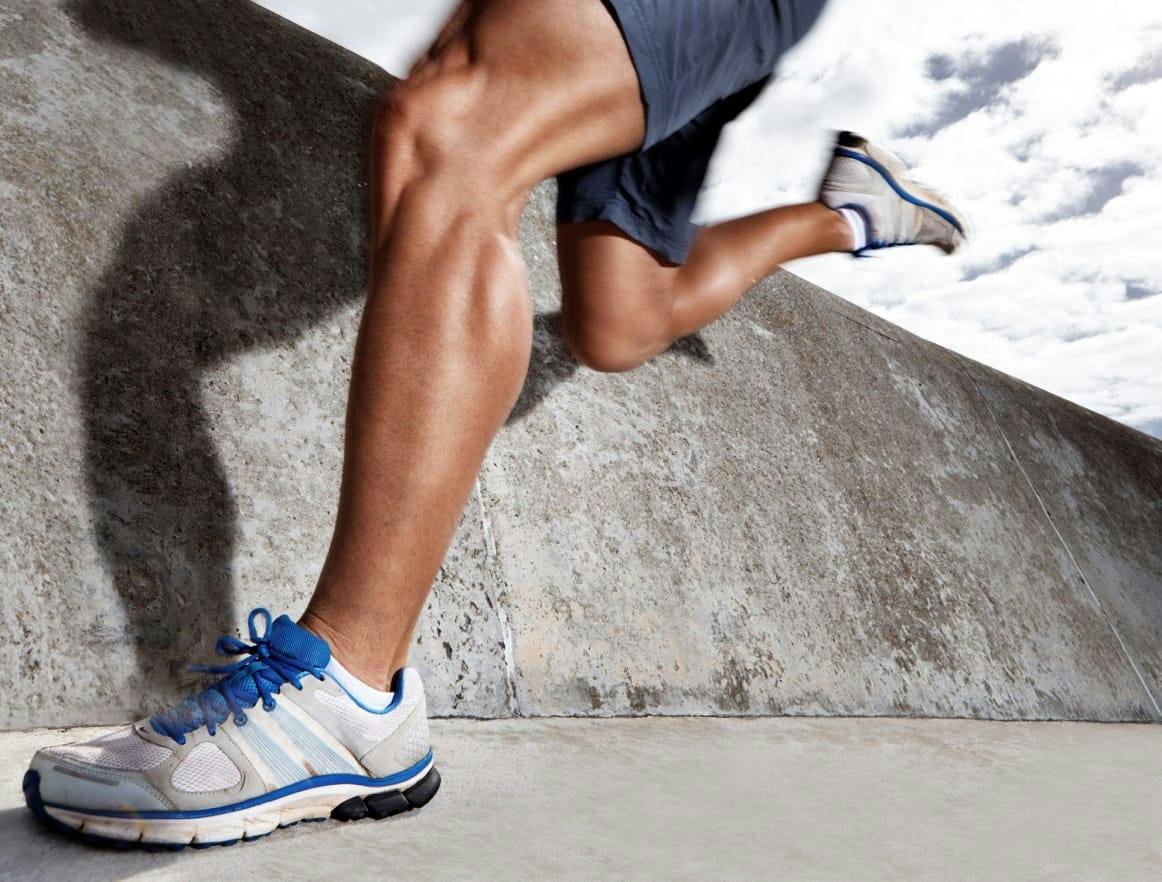
A person's legs

Here's How Surgery Day Goes

Your NanoKnee knee replacement is done as outpatient surgery with spinal anesthesia and sedation. You'll stay comfortable and unaware, with no need for a general anesthetic, and the procedure typically lasts about 90 minutes.

About half an hour afterward, your care team will help you up, and most patients are home within two hours. You can bend your new knee and put your weight on it immediately.

Banner media

Your Path Through Recovery

Most NanoKnee patients complete their rehab at home with a surgeon-designed program, which means they avoid weeks of trips to a therapy clinic. Recovery usually progresses like this:

  1. Days 7–14: confidence returns. Most patients are taking care of themselves, moving around the house easily and managing a few errands.
  2. Weeks 2–4: picking up momentum. Exercises become more challenging, and moderate activity like a longer walk or a session on a stationary bike becomes comfortable.
  3. Weeks 4–8: living fully again. Most patients return to the active lifestyle they'd been missing, progressing at the pace their surgeon sets.

Published evidence shows around 85% of knee replacement patients regain moderate-impact physical activity, with a median return of roughly four months.[4] Your NanoKnee surgeon will tailor the pace to your healing.

Protecting Your Knee for the Years Ahead

Your new knee thrives on regular movement. Activities that support recovery and long-term joint health include:

  • Walking
  • Biking
  • Water aerobics
  • Tai chi
  • Yoga
  • Tennis
  • Strengthening exercises

Finish your recovery, and the sports and activities you love are waiting; for most patients, they come back without restrictions.

Banner media

Knee Replacement Frequently Asked Questions

Will I need my knee redone later in life?

Most people don't. In the largest analysis of national joint registries, about 82% of total knee replacements and 70% of partial knee replacements were still working 25 years after surgery.[5] Precise implant positioning is one of the factors that helps a knee replacement last that long.

Why do position and balance matter for implant life?

They're among the factors within the surgical team's control that affect how long a knee replacement lasts.[2] That's why NanoKnee focuses on them, using precise 3D modeling and engineering alongside FDA-cleared implants to plan the position and alignment of your implant for your anatomy.

Is NanoKnee right for my knee?

NanoKnee may be a good match if you've been told you need a knee replacement and you'd like to recover at home, stay active, and have an implant planned specifically for you. It was designed for active patients who want excellent function after surgery, from younger adults to healthy older adults. Your surgeon will decide after reviewing your imaging, health, history and goals at your consultation.

How rare are serious complications after knee replacement?

They're uncommon. Knee replacement is one of the most frequently performed and closely studied operations in the U.S., and the American Joint Replacement Registry has recorded more than 4.4 million hip and knee replacements since 2012.[6] Some risks can also be reduced through decisions made before surgery. For example, a national analysis of more than 380,000 joint replacements associated spinal (neuraxial) anesthesia with lower 30-day mortality and fewer in-hospital complications than general anesthesia.[7] NanoKnee procedures are performed by board-certified orthopedic surgeons using spinal anesthesia with sedation.

What is restricted iKA, and how does it help?

Restricted inverse kinematic alignment (iKA) is the method NanoKnee uses to restore your natural tibial joint line and alignment within safe limits, instead of setting every knee to “neutral.” Many healthy adults naturally have knees that aren't in neutral mechanical alignment.[10] In a matched series, patients aligned with iKA reported higher satisfaction and better Oxford Knee Scores at one year than patients aligned to an adjusted mechanical target.[11] Your iKA plan is built from your CT scan and reviewed by your surgeon before surgery.

Do I qualify for a partial knee replacement?

You might, if your arthritis is limited to one or two areas. NanoKnee surgeons perform partial (unicompartmental) and bicompartmental knee replacement, resurfacing only the damaged one-third or two-thirds of the joint and keeping your ligaments and healthy bone intact. In a randomized trial of 528 patients with inner-compartment arthritis, partial knee replacement produced equivalent improvement with fewer complications.[12][13] Your NanoKnee surgeon will review your anatomy and knee condition to help you decide.

Will my surgery spare the muscles around my knee?

If you're a suitable candidate, yes. NanoKnee's advanced 3D modeling makes it possible to use a quadriceps-sparing approach that reaches the joint without cutting the quadriceps tendon, which randomized trials show reduces pain in the first days after surgery.[8] For arthritis limited to one compartment, a Nano partial knee replacement is the least invasive option, removing the least bone and preserving your ligaments.[12] For a total knee replacement, planning and approach matter more than incision length.

How is anesthesia given for NanoKnee?

Through spinal (regional) anesthesia, a local anesthetic block and “twilight” sedation. Together, they keep you comfortable and unaware without general anesthesia. In a national analysis of more than 380,000 joint replacements, spinal anesthesia was associated with lower 30-day mortality and fewer complications than general anesthesia.[7] Your team will use general anesthesia only when it's the safer choice for you.

Can I go home right after knee surgery?

Most patients can, usually about two hours after their outpatient procedure. A meta-analysis of 20 studies found that appropriately selected outpatients had complication and readmission rates comparable to inpatients.[9] Your surgeon will confirm ahead of time that same-day discharge is appropriate.

About how long does NanoKnee surgery take?

Roughly 90 minutes. With your implant's size, position and alignment decided in your 3D plan, your surgeon has fewer decisions to make under time pressure.

What does the recovery period look like?

Most NanoKnee patients are walking within 90 minutes of surgery and doing light activities in the first week. From there, a general outline:

  • 7–14 days: daily routines
  • 2–4 weeks: moderate activity
  • 4–8 weeks: an active lifestyle
Your surgeon will adjust the pace based on your progress.

Where does my rehab happen?

At home, for most NanoKnee patients. You'll follow a surgeon-guided exercise program instead of formal outpatient physical therapy, starting with walking, isometrics and stretching right away and building toward strengthening, biking, and activities like golf and hiking. The NanoKnee app lets you track your progress and reach your care team.

Can I return to golf, tennis or hiking?

Most NanoKnee patients do, and many also return to cycling, running and skiing.

How much motion will my new knee have?

Most NanoKnee patients regain the motion they need for daily life and sports, and many recover range lost to arthritis. Your 3D plan balances your ligaments through the full range of motion, supporting a knee that bends and straightens fully. In our recovery-unit records for 720 NanoKnee patients, median flexion right after surgery was 125°, with half of patients between 120° and 134°.

Will my incision leave a big scar?

No. NanoKnee uses a cosmetic, plastic-surgical closure to keep scarring minimal. Your incision should heal within about two weeks, though you'll want to protect it for the first two to three months.

What are the main risks I should know about?

Knee replacement risks include infection, blood clots, stiffness, instability, implant loosening over time, and anesthesia-related complications. NanoKnee's surgical processes and proprietary 3D Blueprinting® aim to address specific risks: spinal anesthesia is associated with fewer perioperative complications than general anesthesia,[7] and pre-operative 3D planning targets the position and balance problems among the leading causes of early revision.[1] Your surgeon will go over the risks most relevant to you.

Is it normal for my knee to feel numb near the incision?

Yes, some numbness near the incision is common, as is occasional clicking, and neither is usually a concern. Most patients find function steadily returning and arthritis pain fading over the months after surgery, and your surgeon will follow up on anything unexpected.

Does insurance cover all of NanoKnee?

Not all of it. NanoKnee surgery is billed as a knee replacement, which Medicare and most commercial plans cover when medically necessary, but the pre-operative 3D planning and engineering aren't covered and may cost up to $8,500 depending on your plan. Our patient navigators will confirm your coverage and costs before you commit, and financing is available.

Are older adults good candidates for NanoKnee?

Often, yes. Plenty of patients in their retirement years choose a new knee so they can keep walking the beach, traveling and staying independent. Instead of an age limit, your surgeon relies on a complete health evaluation to decide whether you're ready. NanoKnee's standard spinal anesthesia is associated with fewer perioperative complications than general anesthesia.[7]

Does NanoKnee rely on robotics?

No. Your surgeon performs the procedure, and no robot is used. AI's role is limited to planning, helping our biomedical engineers create a 3D model from your CT scan that your surgeon reviews and approves. NanoKnee's precision comes from that pre-operative planning.

Sources

  1. Schroer WC, Berend KR, Lombardi AV, Barnes CL, Bolognesi MP, Berend ME, Ritter MA, Nunley RM. Why are total knees failing today? Etiology of total knee revision in 2010 and 2011. J Arthroplasty. 2013;28(8 Suppl):116-119. doi:10.1016/j.arth.2013.04.056
  2. Ritter MA, Davis KE, Meding JB, Pierson JL, Berend ME, Malinzak RA. The effect of alignment and BMI on failure of total knee replacement. J Bone Joint Surg Am. 2011;93(17):1588-1596. doi:10.2106/JBJS.J.00772
  3. Bourne RB, Chesworth BM, Davis AM, Mahomed NN, Charron KDJ. Patient satisfaction after total knee arthroplasty: who is satisfied and who is not? Clin Orthop Relat Res. 2010;468(1):57-63.
  4. Braz R, Gomes E, Valente C, Ahmed H, Moursy M, Delgado D, Sanchez M, Andrade R, Espregueira-Mendes J. High rate of return to low-impact physical activity or sports after total and unicompartmental knee arthroplasty: a systematic review with meta-analysis. Knee Surg Sports Traumatol Arthrosc. 2026. doi:10.1002/ksa.70267
  5. Evans JT, Walker RW, Evans JP, Blom AW, Sayers A, Whitehouse MR. How long does a knee replacement last? A systematic review and meta-analysis of case series and national registry reports with more than 15 years of follow-up. Lancet. 2019;393(10172):655-663. doi:10.1016/S0140-6736(18)32531-5
  6. American Academy of Orthopaedic Surgeons. American Joint Replacement Registry (AJRR): 2025 Annual Report. Rosemont, IL: AAOS; 2025.
  7. Memtsoudis SG, Sun X, Chiu YL, Stundner O, Liu SS, Banerjee S, Mazumdar M, Sharrock NE. Perioperative comparative effectiveness of anesthetic technique in orthopedic patients. Anesthesiology. 2013;118(5):1046-1058. doi:10.1097/ALN.0b013e318286061d
  8. Berstock JR, Murray JR, Whitehouse MR, Blom AW, Beswick AD. Medial subvastus versus the medial parapatellar approach for total knee replacement: a systematic review and meta-analysis of randomized controlled trials. EFORT Open Rev. 2018;3(3):78-84. doi:10.1302/2058-5241.3.170030
  9. Gong S, Yi Y, Wang R, Han L, Gong T, Wang Y, Shao W, Feng Y, Xu W. Outpatient total knee and hip arthroplasty present comparable and even better clinical outcomes than inpatient operation. Front Surg. 2022;9:833275. doi:10.3389/fsurg.2022.833275
  10. Bellemans J, Colyn W, Vandenneucker H, Victor J. The Chitranjan Ranawat Award: is neutral mechanical alignment normal for all patients? The concept of constitutional varus. Clin Orthop Relat Res. 2012;470(1):45-53.
  11. Winnock de Grave P, Luyckx T, Claeys K, Tampere T, Kellens J, Müller J, Gunst P. Higher satisfaction after total knee arthroplasty using restricted inverse kinematic alignment compared to adjusted mechanical alignment. Knee Surg Sports Traumatol Arthrosc. 2022;30(2):488-499. doi:10.1007/s00167-020-06165-4
  12. Beard DJ, Davies LJ, Cook JA, MacLennan G, Price A, Kent S, Hudson J, Carr A, Leal J, Campbell H, Fitzpatrick R, Arden N, Murray D, Campbell MK; TOPKAT Study Group. The clinical and cost-effectiveness of total versus partial knee replacement in patients with medial compartment osteoarthritis (TOPKAT): 5-year outcomes of a randomised controlled trial. Lancet. 2019;394(10200):746-756. doi:10.1016/S0140-6736(19)31281-4
  13. Beard DJ, Davies LJ, Cook JA, MacLennan G, Hudson J, Price AJ, Carr AJ, Little M, Leal J, Fitzpatrick R, Murray DW, Campbell MK; TOPKAT Study Group. Assessing clinical and cost effectiveness of total versus partial knee replacement (TOPKAT): 10-year follow-up of a multicentre, randomised controlled trial. Lancet Rheumatol. 2026;8(2):e116-e126. doi:10.1016/S2665-9913(25)00250-4
  14. Witjes S, Gouttebarge V, Kuijer PPFM, van Geenen RCI, Poolman RW, Kerkhoffs GMMJ. Return to sports and physical activity after total and unicondylar knee arthroplasty: a systematic review and meta-analysis. Sports Med. 2016;46(2):269-292. doi:10.1007/s40279-015-0421-9
  15. Chua MJ, Hart AJ, Mittal R, Harris IA, Xuan W, Naylor JM. Early mobilisation after total hip or knee arthroplasty: a multicentre prospective observational study. PLoS One. 2017;12(6):e0179820. doi:10.1371/journal.pone.0179820
Banner media
Text Us
Hi there, have a question? Text us here.

Enter your information, and our team will text you shortly.

This field is required.
Send

This site is protected by reCAPTCHA and the Google Privacy Policy(opens in a new tab) and Terms of Service(opens in a new tab) apply.

Find your Knee Surgeon Your comeback starts here

Schedule a Consultation
Contact us media
Accessibility: If you are vision-impaired or have some other impairment covered by the Americans with Disabilities Act or a similar law, and you wish to discuss potential accommodations related to using this website, please contact our Accessibility Manager at (805) 265-3871.
Contact Us